A day on the water can be one of the best experiences imaginable. Whether you are sailing, fishing, cruising, working on a vessel or simply enjoying the Whitsundays, being prepared for the unexpected is an important part of responsible boating.
On land, medical assistance may be only minutes away. At sea, however, the situation can be very different.
An injury or medical emergency can occur when you are miles from shore, in an isolated anchorage or travelling between islands. Poor weather, distance and limited communication can all affect how quickly professional medical assistance can be reached.
That is why first aid knowledge is particularly important for anyone who spends time on the water.
The basic principles of first aid remain the same whether you are at home, at work or on a boat. However, the environment can make managing an emergency more challenging.
A vessel may be moving, conditions may be rough and space can be limited. You may also need to manage the injured person while continuing to operate the vessel safely and arrange communication or evacuation.
In a maritime environment, the first person responding to an emergency may be another crew member rather than a trained medical professional.
Knowing what to do in those first few minutes can make a significant difference.
While every situation is different, some injuries and medical issues are more commonly encountered on the water.
Boats have plenty of potential hazards. Sharp equipment, fishing gear, galley knives, anchors and deck fittings can all cause cuts and injuries.
Even a relatively minor wound needs appropriate attention, particularly in a marine environment where cleanliness can be more difficult to maintain.
Knowing how to assess and manage bleeding and properly care for a wound is an important first aid skill.
Moving around a vessel requires balance and awareness. Wet decks, uneven surfaces, companionways and changing sea conditions can all increase the risk of slips and falls.
An injured person may also need to be moved carefully, particularly if a serious injury is suspected.
Burns can occur in the galley, from hot engine components or through contact with other equipment onboard.
Knowing the correct first aid response and when further medical assistance is required is important.
The Australian sun can be unforgiving.
Long periods outside, physical activity and insufficient fluid intake can lead to dehydration and heat-related illness.
Recognising the early signs and taking action before the situation becomes more serious is an important part of caring for yourself and others onboard.
Seasickness is extremely common and can range from mild discomfort to severe vomiting and dehydration.
While it may not initially appear to be a serious medical issue, a severely unwell crew member can become dehydrated and exhausted, particularly during an extended passage.
Australia’s marine environment is home to a variety of creatures that can cause injury.
Depending on where you are boating, marine stings and bites may require specific first aid treatment and urgent medical assistance.
Anyone regularly spending time on the water should understand the risks in their local area and know how to respond appropriately.
A cardiac emergency can happen anywhere—including onboard a vessel.
If someone becomes unconscious and is not breathing normally, the actions taken immediately can be critical.
Maintaining current CPR knowledge gives people the confidence to respond quickly while emergency services are contacted and further assistance is arranged.
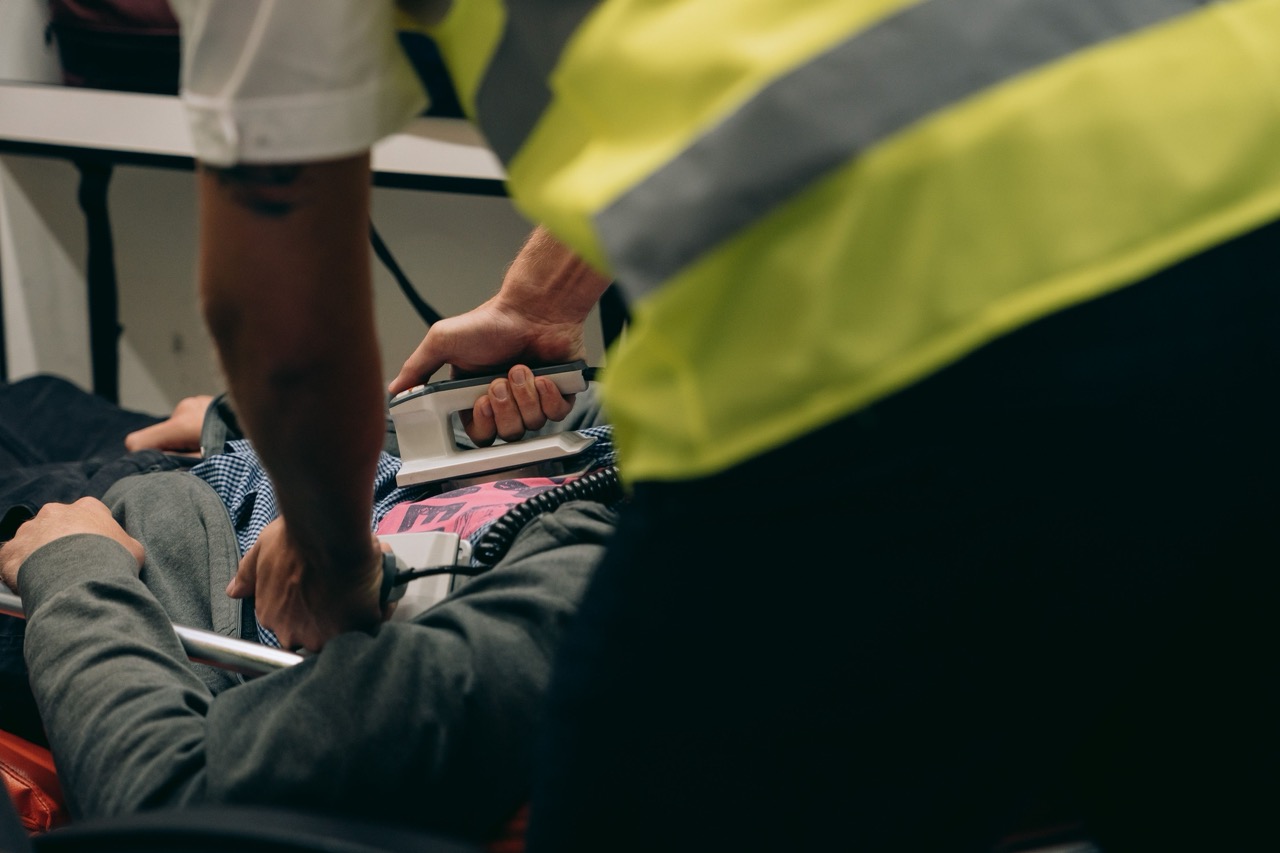
An Automated External Defibrillator (AED), where available, can also play an important role in responding to certain cardiac emergencies.
The important thing is not to assume that someone else onboard will know what to do.
A first aid kit should be appropriate for the type of boating you are doing, the number of people onboard and how far you may be travelling from assistance.
A quick trip close to shore has different risks from an extended sailing passage or offshore fishing trip.
Your kit should also be checked regularly.
Items can expire, supplies can be used and equipment can become damaged in the marine environment.
Most importantly, having a well-stocked first aid kit is only part of being prepared.
You should also know how and when to use the equipment inside it.
First aid is only one part of responding to an emergency at sea.
Before heading out, consider:
A good skipper and crew think about these things before they are needed.
Many people complete a first aid course because it is required for work. But first aid knowledge is also a valuable life skill.
For people who spend time boating, sailing, fishing or working in remote environments, the ability to respond calmly to an emergency can be particularly important.
First aid training helps you recognise emergencies, understand the appropriate response and gain the confidence to take action when something unexpected happens.
Skills should also be refreshed regularly. Guidelines and recommended practices can change, and practical skills such as CPR benefit from regular training and practice.
Nobody heads out on the water expecting an emergency.
But being prepared is part of good seamanship.
A properly equipped vessel, reliable communication equipment, an appropriate first aid kit and crew members with current first aid knowledge all contribute to a safer experience on the water.
Whether you are a recreational sailor, boat owner, fishing enthusiast or someone working in the maritime industry, first aid training provides valuable skills that can be used both on and off the water.
At Mainstay Training, we provide First Aid and CPR training in the Airlie Beach and Cannonvale area, helping people develop practical skills and confidence to respond when it matters.
Because when you are out on the water, being prepared isn’t about expecting something to go wrong.
It’s about knowing what to do if it does.
CONTACT

Mainstay Training
First Aid, CPR, Fire & Maritime Training
Airlie Beach & the Whitsundays, Queensland
Courses held at:
Mantra Club Croc
240 Shute Harbour Road
Cannonvale
QLD 4802
POSTAL ADDRESS
PO Box 890
Cannonvale
QLD 4802
AUSTRALIA
Phone: 0402 429 152
OUR PARTNERS


